
// Insights & Perspectives
From Sketch to Structure: Our Design Process
From Sketch to Structure: Our Design Process
2 min read
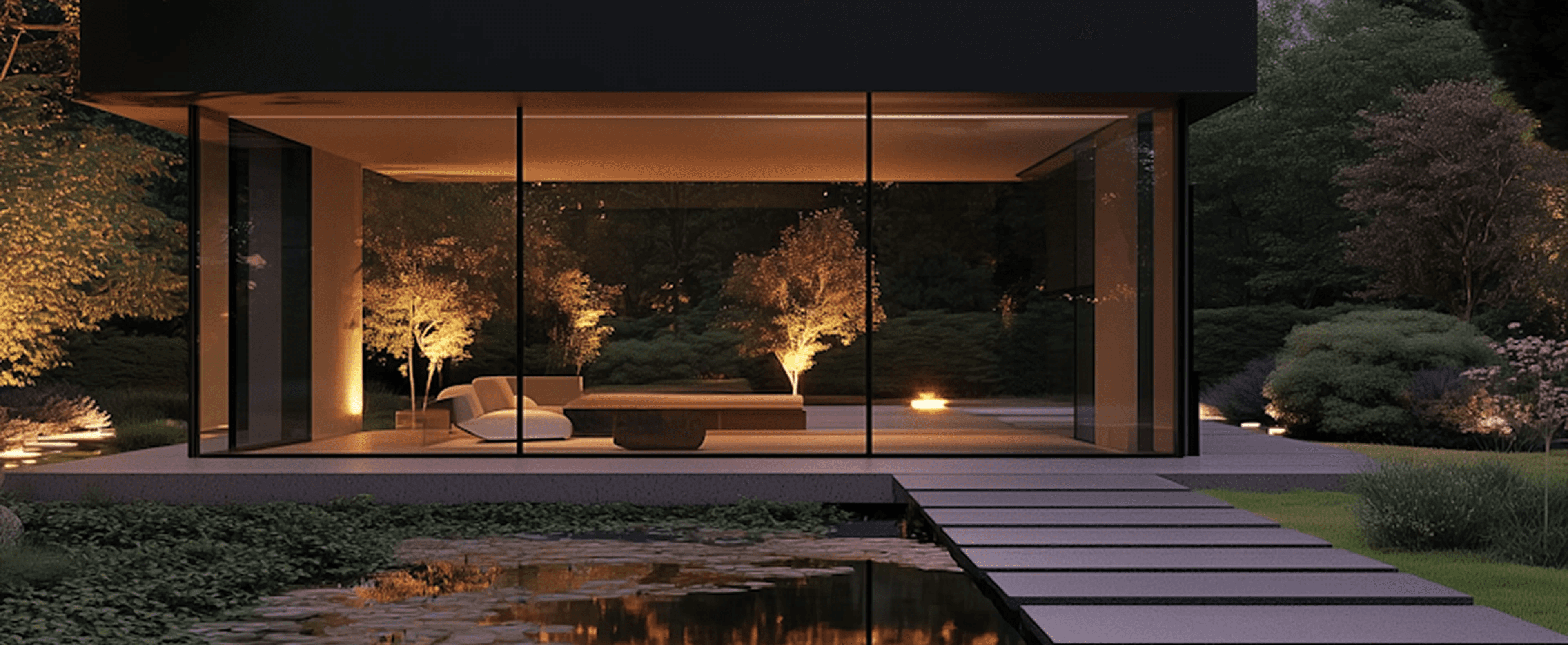
Minimal architecture is not about emptiness—it is about intention. It is the careful removal of the unnecessary so that light, proportion, and material can speak clearly.
Minimal architecture is not about emptiness—it is about intention. It is the careful removal of the unnecessary so that light, proportion, and material can speak clearly.
The Philosophy of Restraint
Minimal architecture is not about removing everything—it is about removing only what is unnecessary. When distractions disappear, proportion becomes visible. Rhythm becomes noticeable. Silence becomes meaningful.In restrained spaces, every line carries weight. Every texture has a role. Nothing is accidental.
The Philosophy of Restraint
Minimal architecture is not about removing everything—it is about removing only what is unnecessary. When distractions disappear, proportion becomes visible. Rhythm becomes noticeable. Silence becomes meaningful.In restrained spaces, every line carries weight. Every texture has a role. Nothing is accidental.

Why Less Often Feels More
Human emotion responds better to calm than chaos. When visual noise is reduced, the mind begins to rest. This is why minimal environments often feel peaceful, focused, and timeless.
Minimal design encourages:
Emotional clarity
Spatial focus
Long-term relevance
Reduced sensory overload
Why Less Often Feels More
Human emotion responds better to calm than chaos. When visual noise is reduced, the mind begins to rest. This is why minimal environments often feel peaceful, focused, and timeless.
Minimal design encourages:
Emotional clarity
Spatial focus
Long-term relevance
Reduced sensory overload
Minimal architecture is not the absence of design — it is the presence of intention.
Minimal architecture is not the absence of design — it is the presence of intention.
Material Honesty in Architecture
Materials in minimal architecture are never decorative. They are expressive on their own. Concrete shows its strength. Wood reveals warmth. Stone carries weight and time.
Instead of hiding imperfections, minimalism allows materials to age naturally—turning wear into character rather than damage.
Material Honesty in Architecture
Materials in minimal architecture are never decorative. They are expressive on their own. Concrete shows its strength. Wood reveals warmth. Stone carries weight and time.
Instead of hiding imperfections, minimalism allows materials to age naturally—turning wear into character rather than damage.

Designing with Light
In minimal architecture, light does not simply illuminate—it defines form. Shadows become edges. Reflections become surfaces. Time becomes visible through changing brightness.
Light guides:
Movement
Mood
Function
Perception of scale
Designing with Light
In minimal architecture, light does not simply illuminate—it defines form. Shadows become edges. Reflections become surfaces. Time becomes visible through changing brightness.
Light guides:
Movement
Mood
Function
Perception of scale